Vertebrata Palasiatica
2026, 64 (
):
1-25.
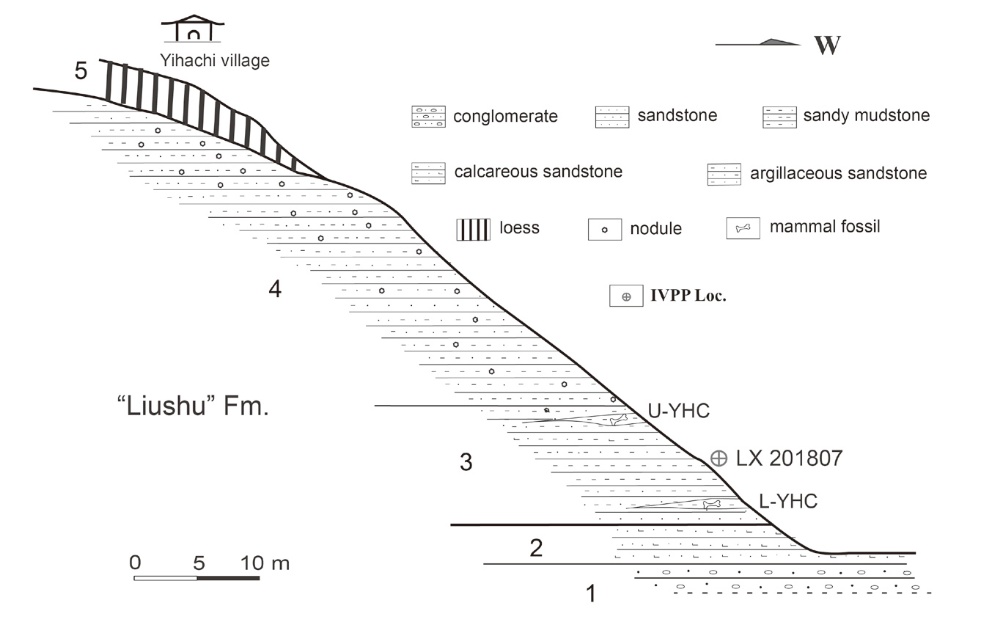
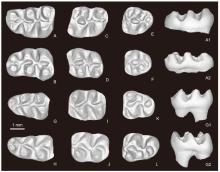
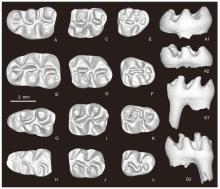
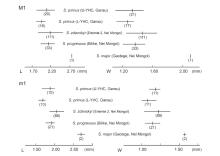
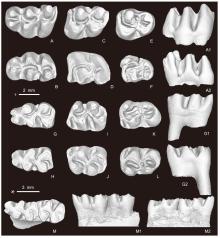
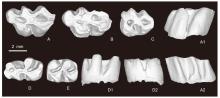
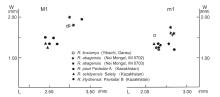
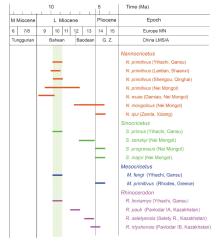
Our purpose in this paper is to describe the hamster-like rodents (Cricetidae) from a Late Miocene age site in Linxia Basin, Gansu Province, and discuss their significance for the changing ecology of central Asia. The micromammal site known as Yihachi was introduced previously (Qiu et al., 2023; Qiu and Li, 2023), when its squirrels were discussed in some detail. We take this opportunity to describe the more abundant cricetids. There are four genera, common Nannocricetus and Sinocricetus plus the less abundant living Mesocricetus. A few specimens represent the high-crowned and lophodont Rhinocerodon. The cricetids and other faunal elements indicate an early Late Miocene age, and the pattern of occurrence of the hamster species is consistent with a picture of a changing paleoenvironment due to increasing effects of the East Asia monsoon system. After the disappearance of older and archaic genera, Yihachi represents growing endemism in the Late Miocene of northern China due to increasing seasonal rain and the declining average temperature.